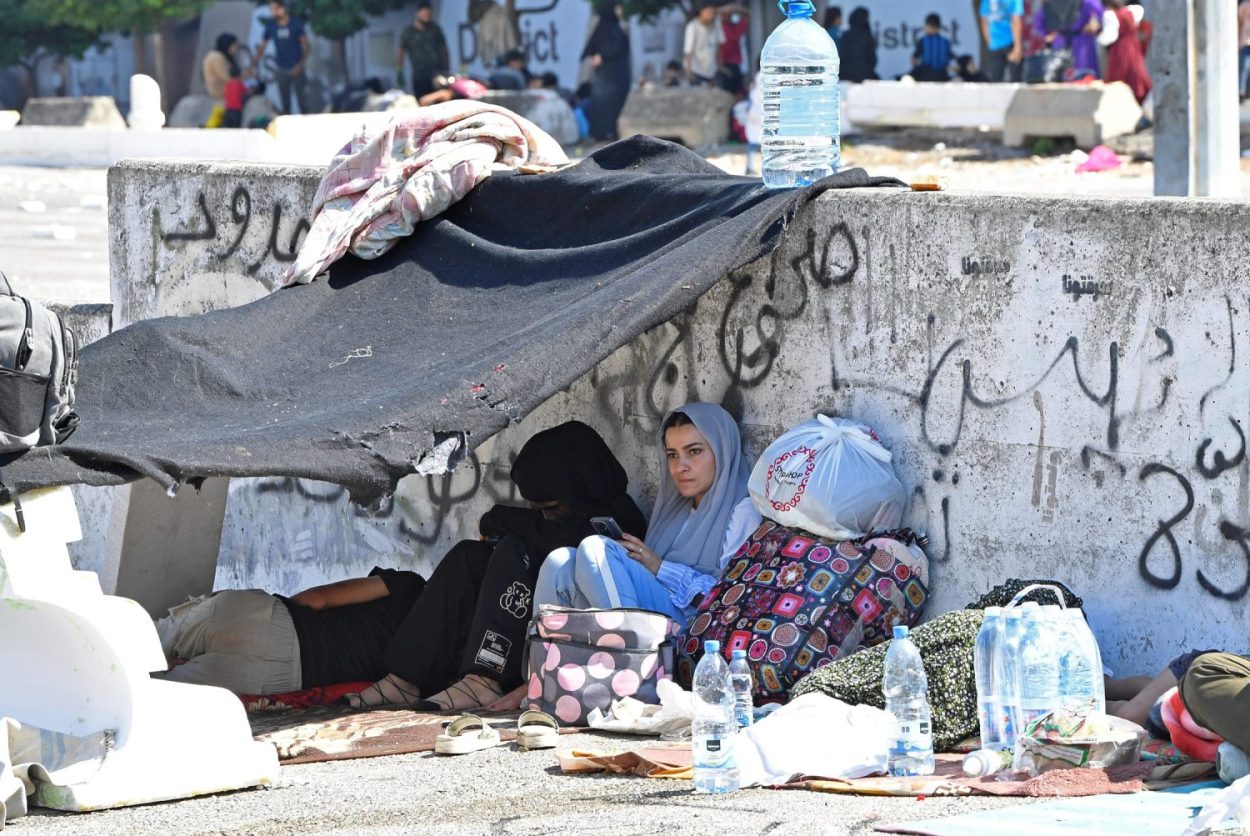


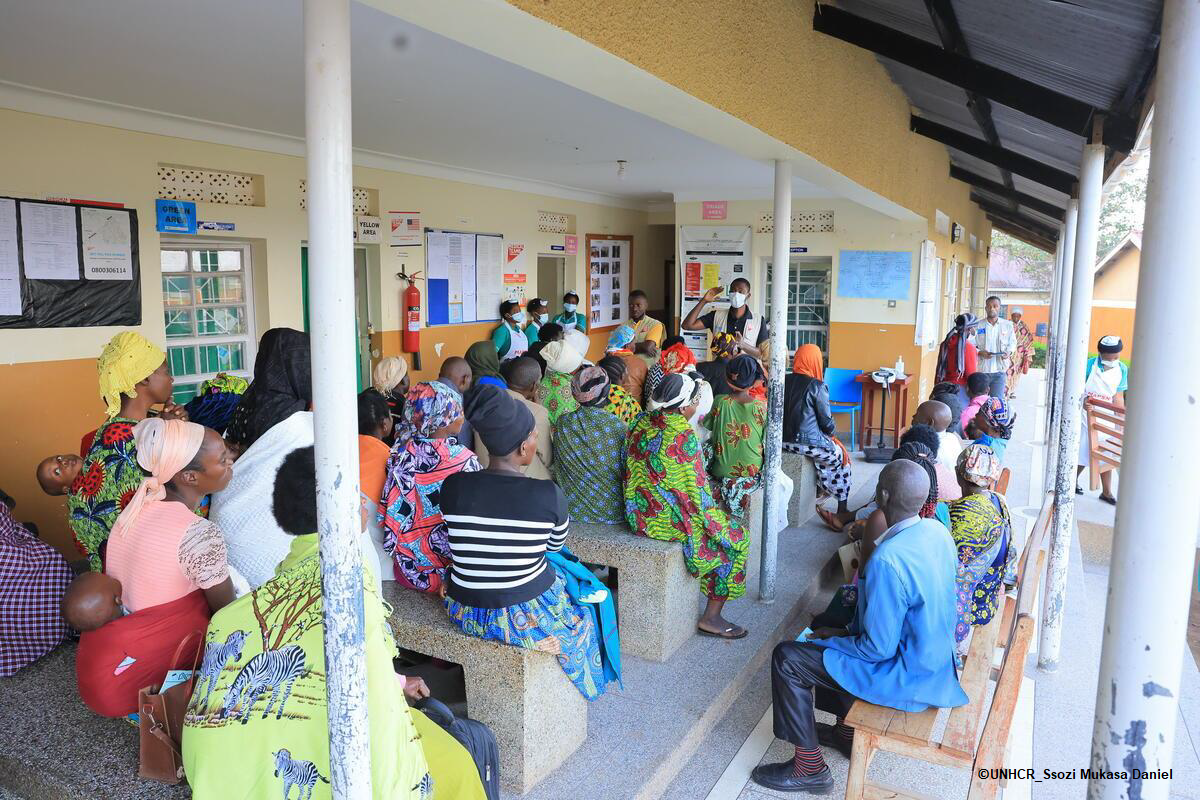
Protracted conflicts, political instability, and economic decline in East African countries are the main causes of forced displacement and the continuous flow of refugees heading to Uganda, the largest refugee-hosting country in Africa.
In February 2025, the Government of Uganda, UNHCR (the UN Refugee Agency), and its humanitarian partners provided protection, care, and assistance to 1,829,606 refugees who had sought asylum in the country. Around 80% were women and children, mainly from South Sudan, followed by the Democratic Republic of the Congo and Sudan.
In response to this situation, UNHCR adapted its operations in Uganda and strengthened its field presence across the 13 districts hosting refugees, expanded support programmes, and adjusted its way of working to respond quickly to emerging needs.
Purpose of the action
The main objective was to strengthen the quality of life of both refugee and host populations by improving access to quality healthcare services in Uganda, with a particular focus on women of reproductive age and children under five, through:
- Improved primary healthcare by providing medicines and medical supplies and strengthening capacities.
- Expanded sexual and reproductive health services, including care during pregnancy and the postpartum period.
- Reducing global acute malnutrition, anemia, and stunted growth among children under five years of age.
In 2025, UNHCR received 50% less funding, a challenge that led to prioritizing access to quality healthcare for refugees in Uganda. To address this, UNHCR worked alongside its partners and in coordination with the Ugandan government to improve access to essential national services, particularly in education, healthcare, and local governance. It also strengthened initiatives aimed at enhancing climate resilience, restoring ecosystems, and improving natural resource management.
Results and lessons learned
Last year provided valuable lessons that will help organizations such as UNHCR continue their work:
- Community health workers are essential: They managed 62% of pediatric cases directly within communities, maintaining coverage even when health centers faced shortages of staff and medicines. Investing in their training means investing in the foundation of the healthcare system.
- Without a guaranteed supply of medicines, positive clinical outcomes cannot be assured. Strengthening supply chains and joint planning with partners will be a priority in the coming years to prevent stock shortages.
- Integration into the national system is the way forward. Ninety-two percent of health facilities are now part of the public healthcare system, and local governments provide 25% of healthcare personnel. Although this process is gradual, it is solid and represents the best guarantee that results will be sustained over time.
An essential humanitarian Response
UNHCR continued to lead one of the world’s largest humanitarian responses through the Uganda Refugee Response Plan, together with more than 100 humanitarian and development organizations, providing protection for refugees as well as healthcare, access to water and sanitation, education, and shelter.
At a time when global humanitarian funding declined significantly, the support of companies such as Laboratorios Viñas, which has collaborated with this NGO for many years, was key to keeping essential services running—services that otherwise could not have been sustained.